
Here you will find a bank of resources to support Cambridgeshire's Introduction to Making it REAL community-literacy work with families of children aged two to five, across the county.
If you have produced or used a resource to support the delivery of your Introduction to Making it REAL-focused work, please share it with us to be published.
Please note that to view the photographs below in full, right-click on the picture and select "Open image in a new tab."
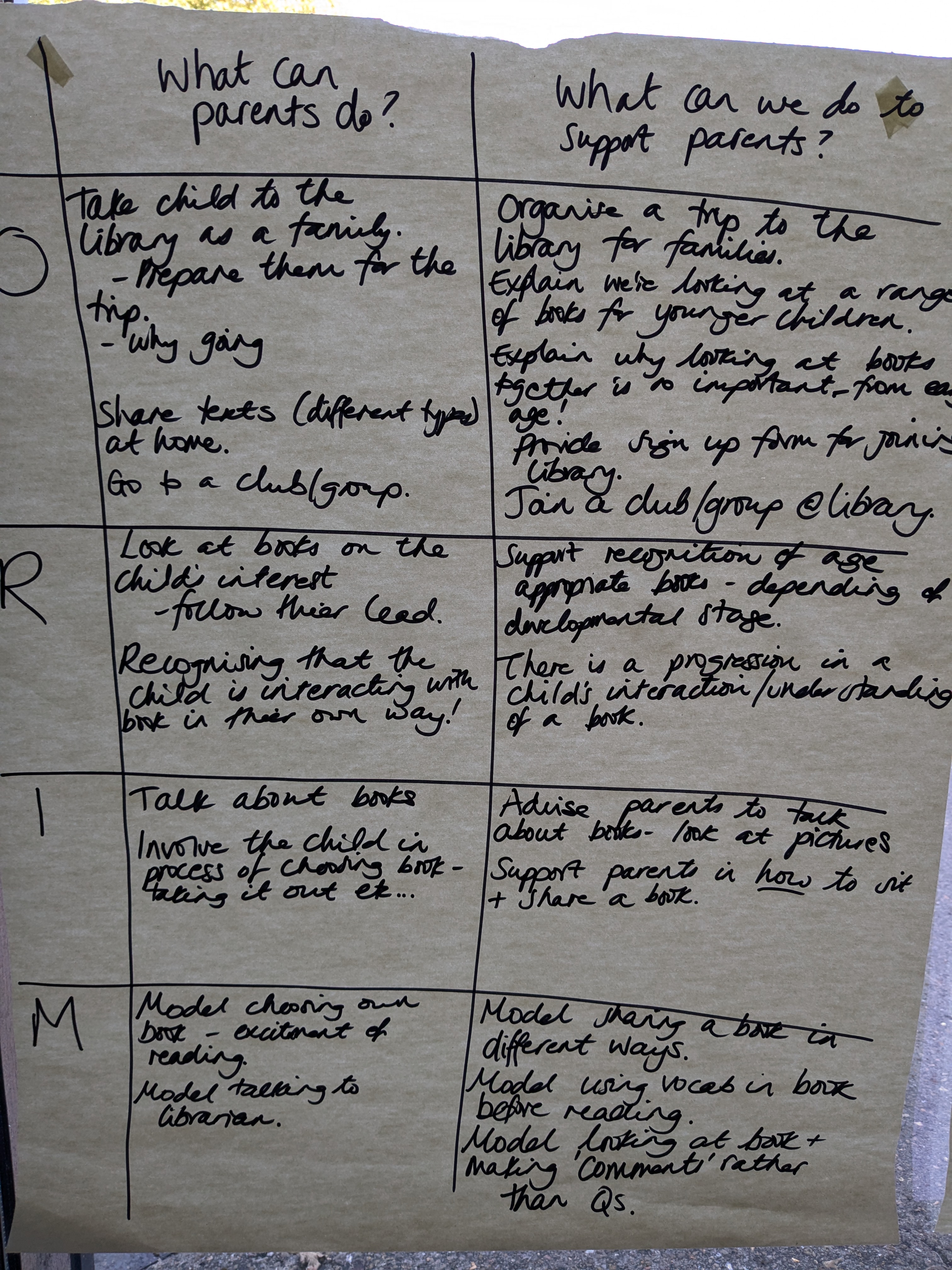
ORIM framework
"REAL has an underpinning framework that helps to plan and evaluate how to support families and share knowledge with parents. It is called ORIM, which stands for the first letter of the words:
- Opportunities
- Recognition
- Interaction
- Model
ORIM is based on the idea that these are the four ways in which parents help their children’s learning. All families do these things, giving children opportunities to learn, recognising the steps they take as they progress, playing and talking (interacting) and acting as a model for children to imitate. It makes sense for teachers and practitioners to support what families are already doing and help them to do more.” – National Children’s Bureau.
Peter Hannon at the University of Sheffield developed the ORIM framework to describe the activities and attitudes that parents/carers enlist in supporting the development of their children’s early literacy (Hannon, 1995).
The four strands of literacy and the ORIM framework are part of the REAL programme, where practitioners and parents work together to support children’s early literacy and create a positive early home learning environment. The four strands and ORIM are copyrighted by the University of Sheffield and are used with kind permission in the National Children’s Bureau’s Making it REAL training.
How to use the ORIM framework
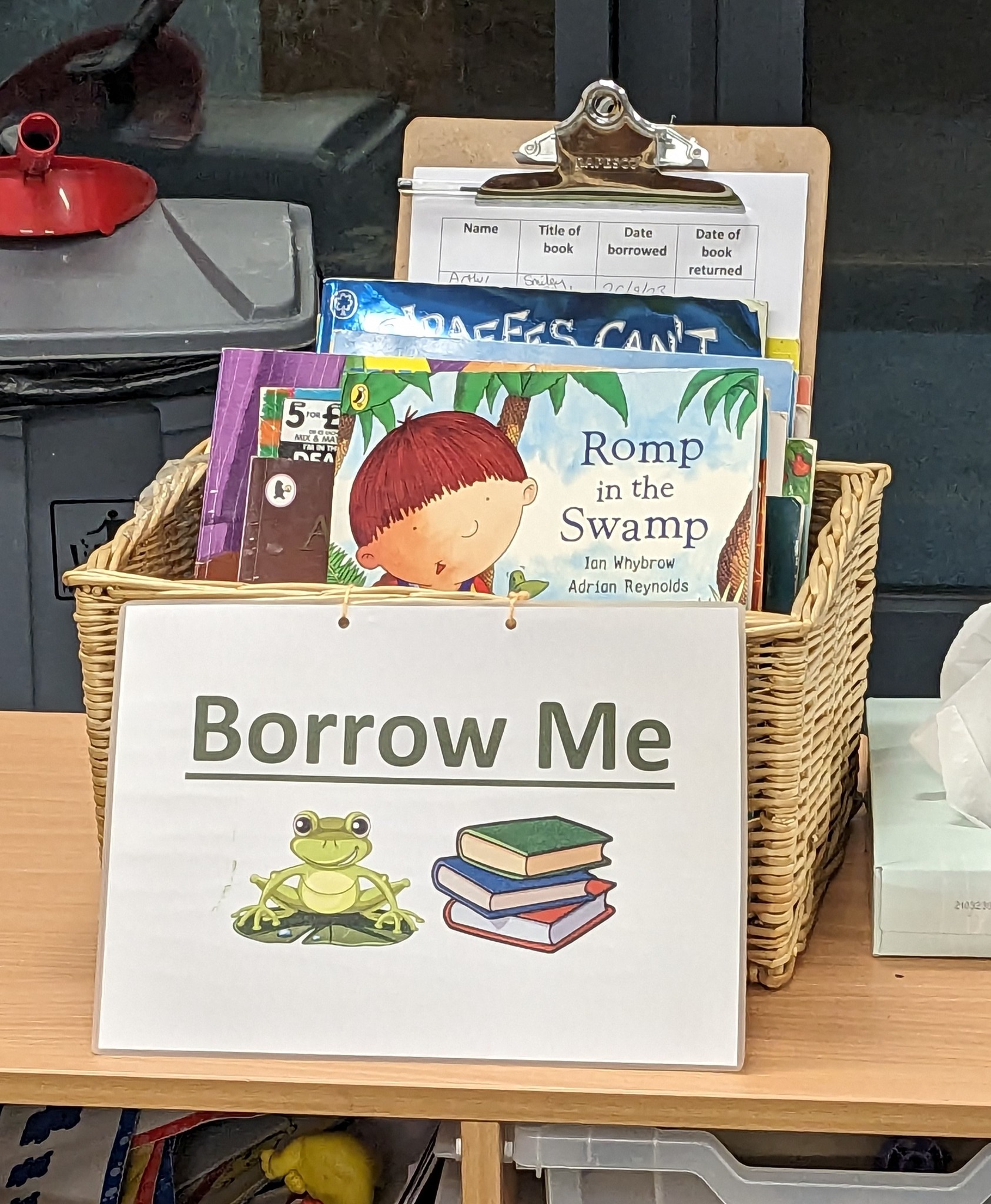
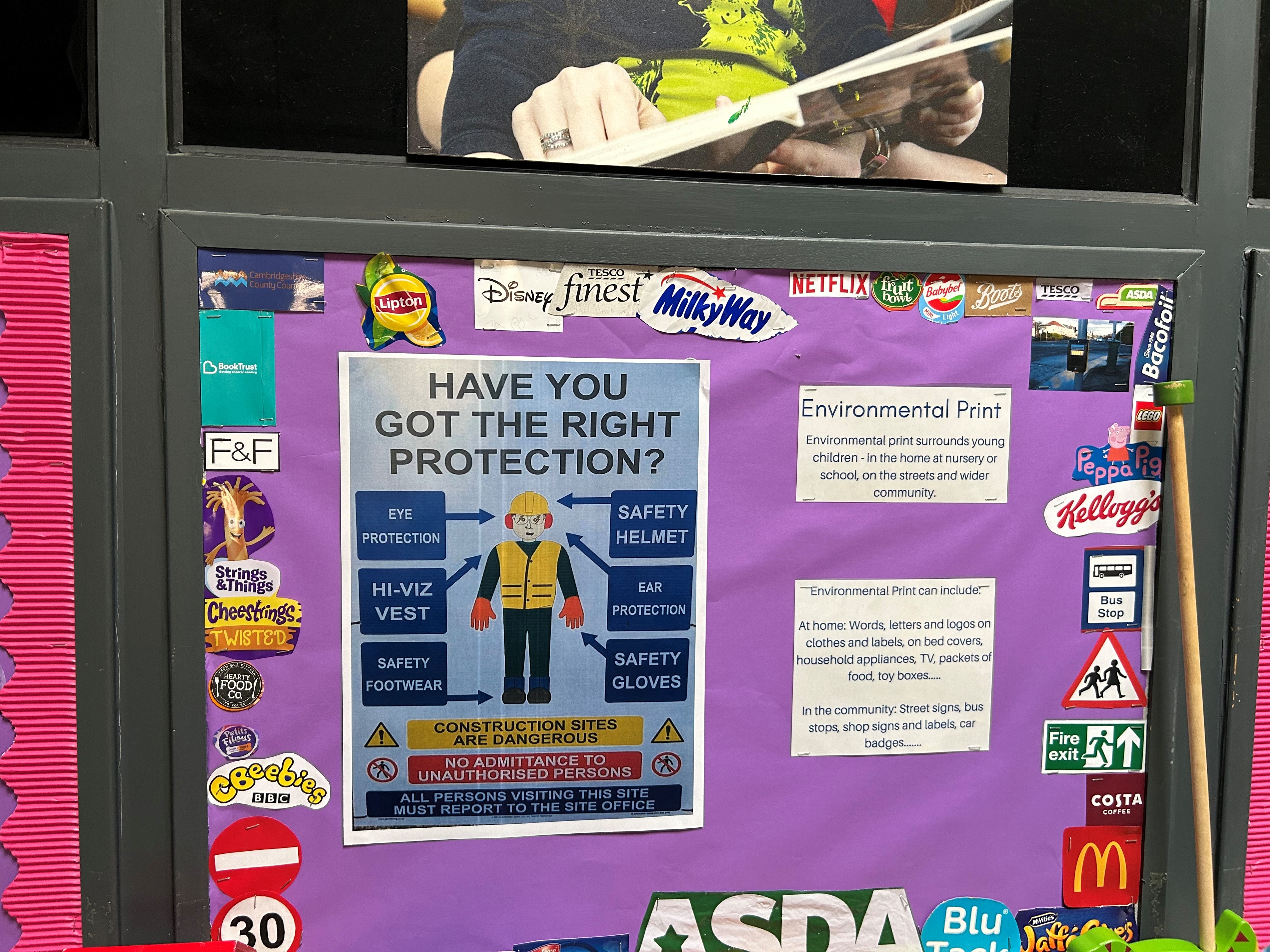
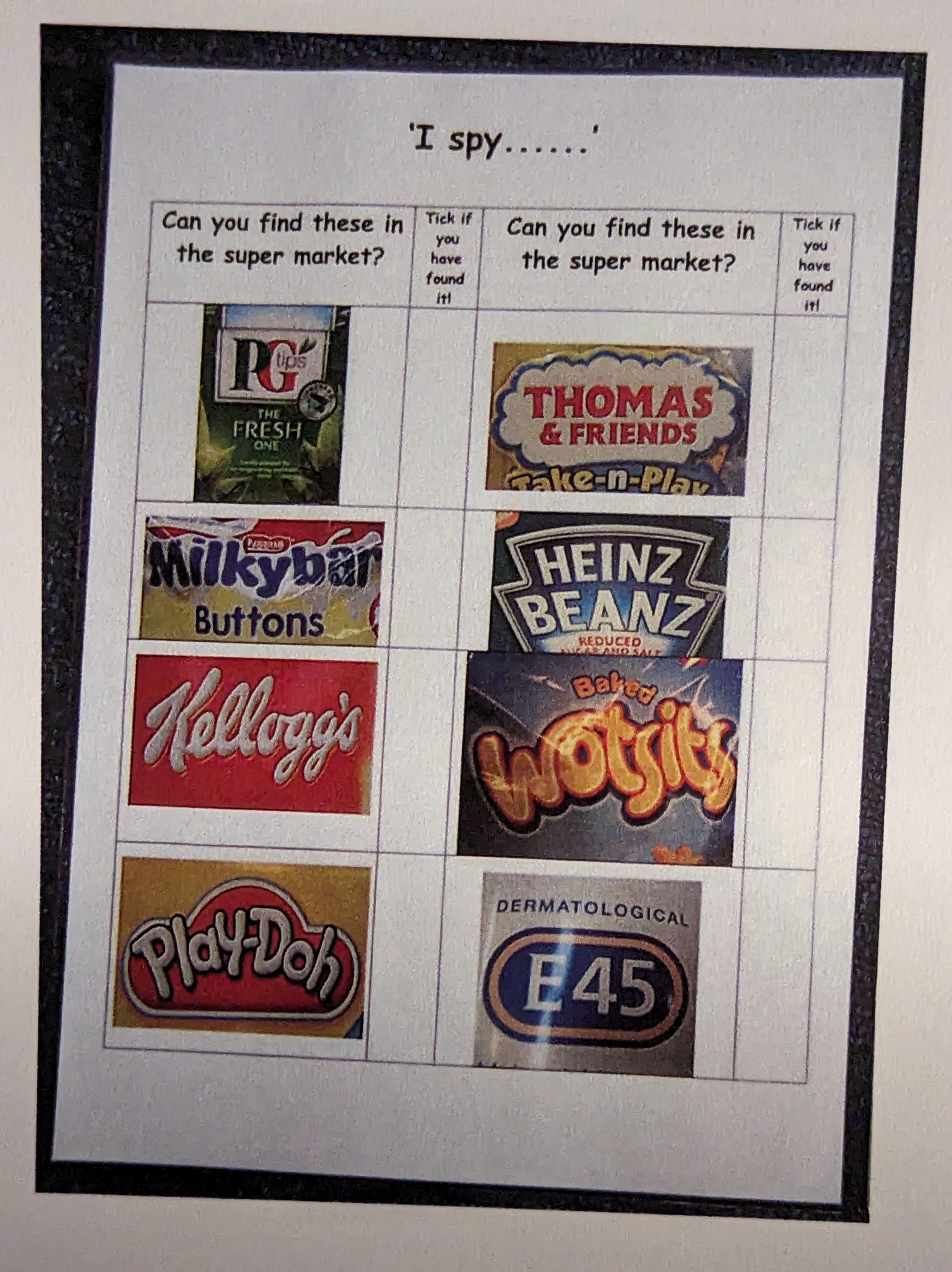
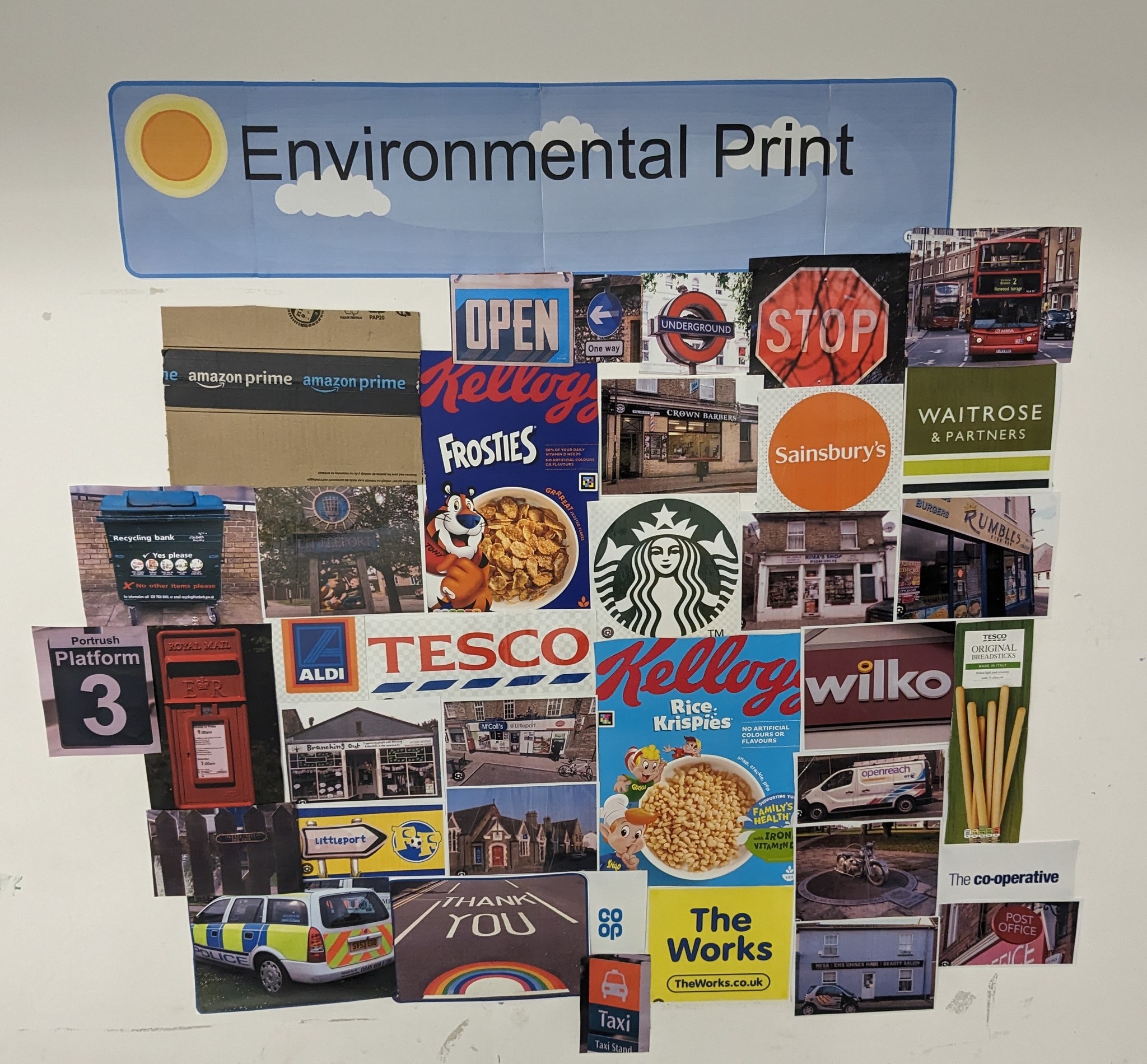
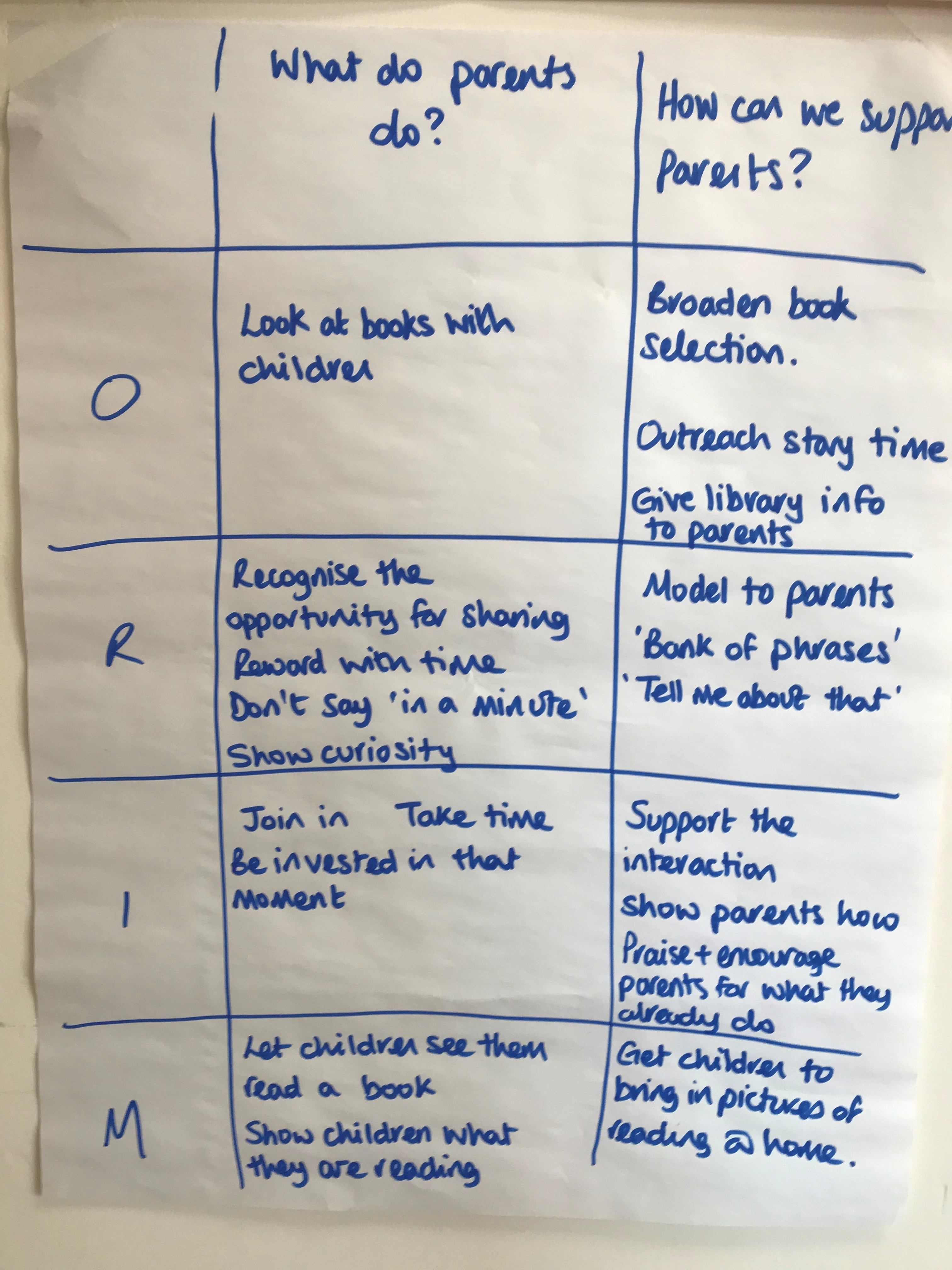
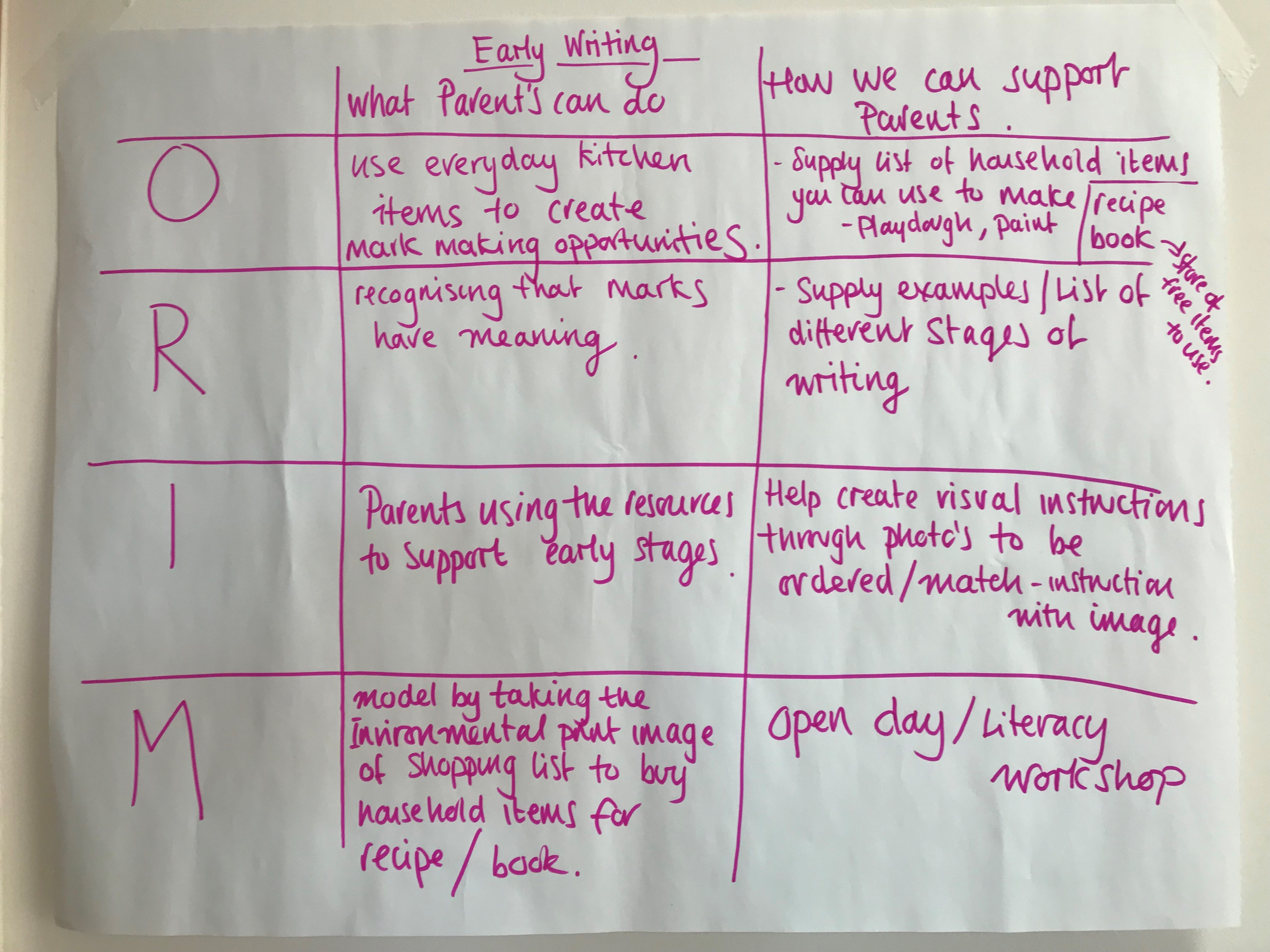
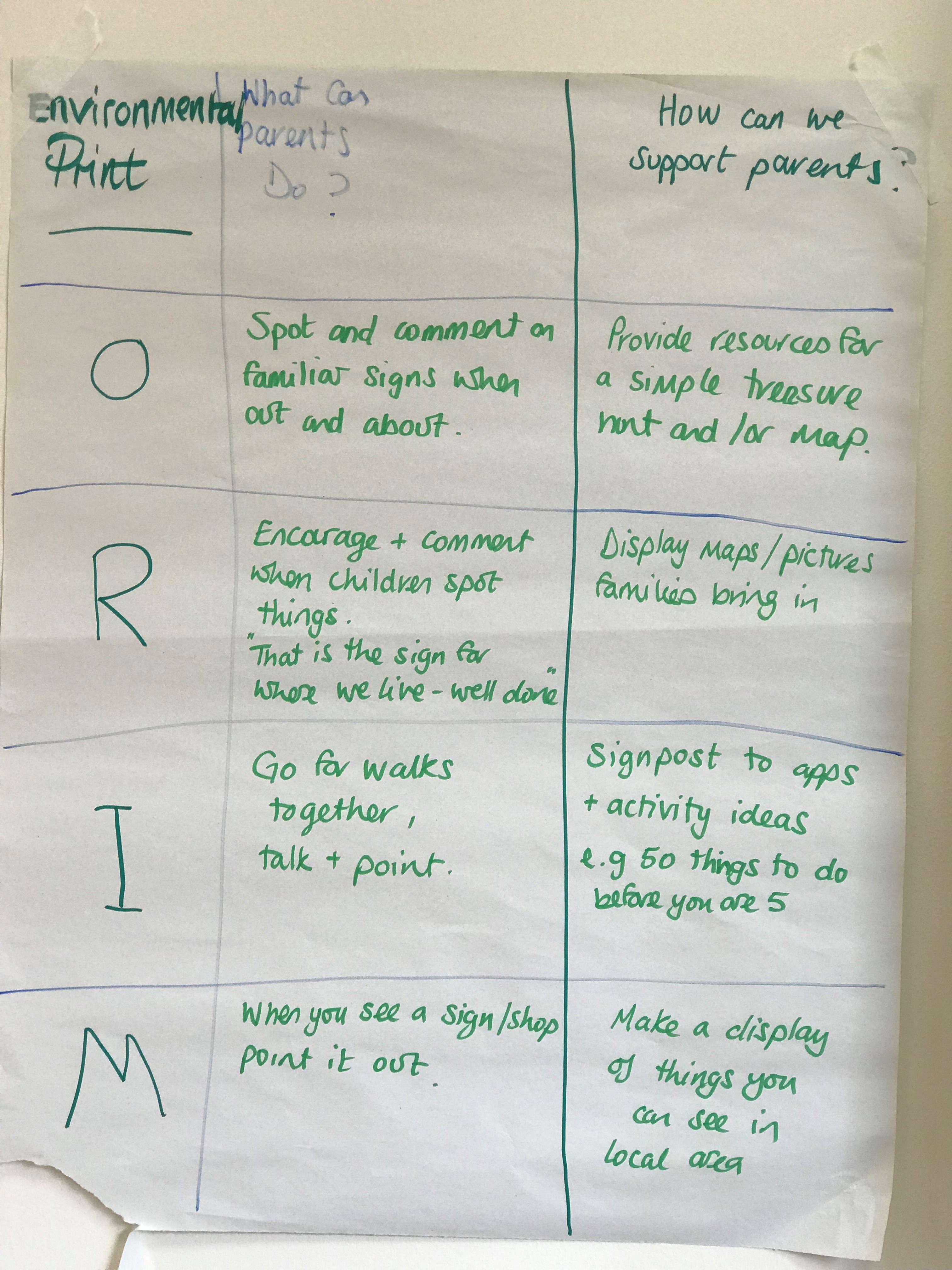
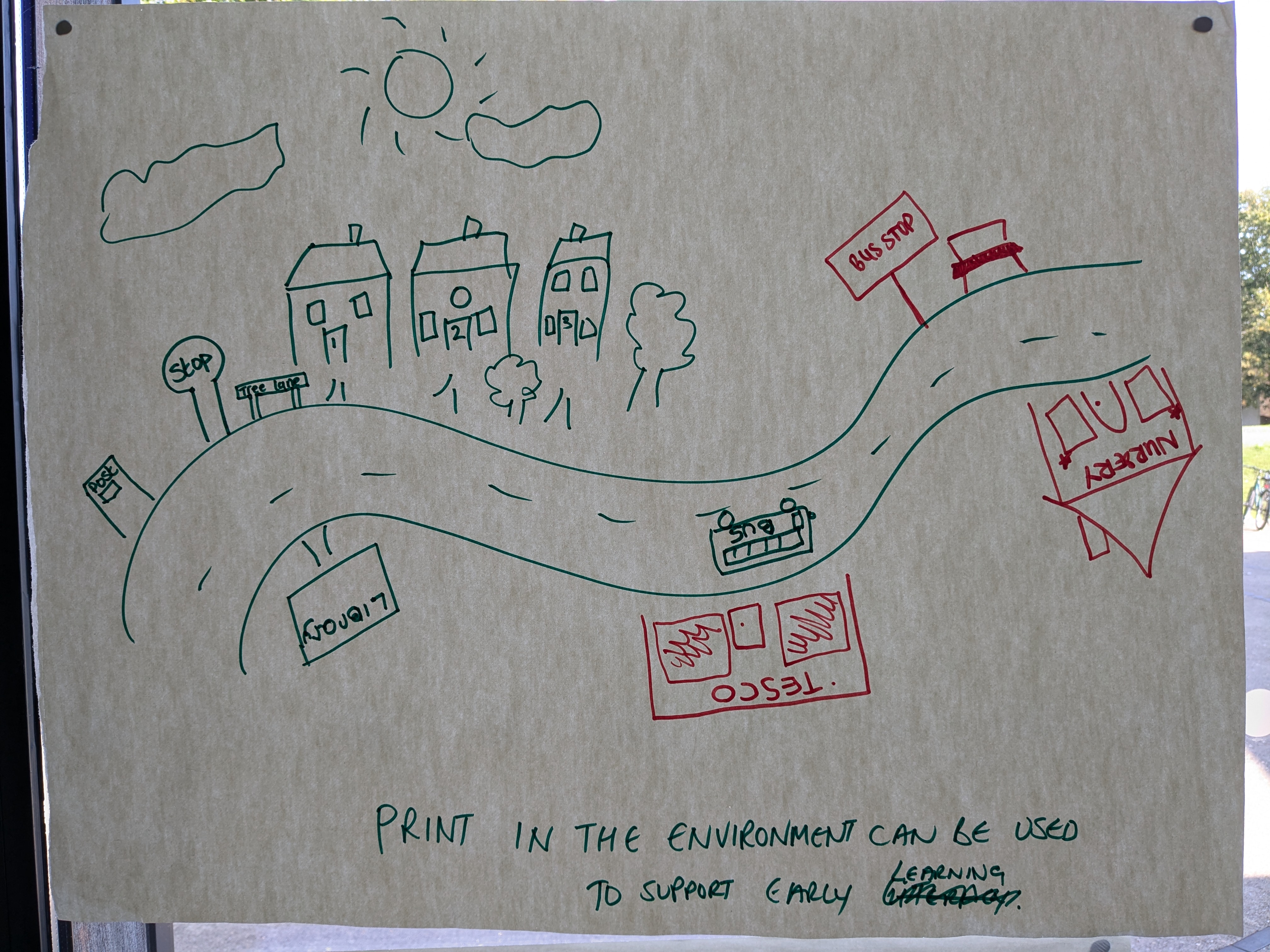
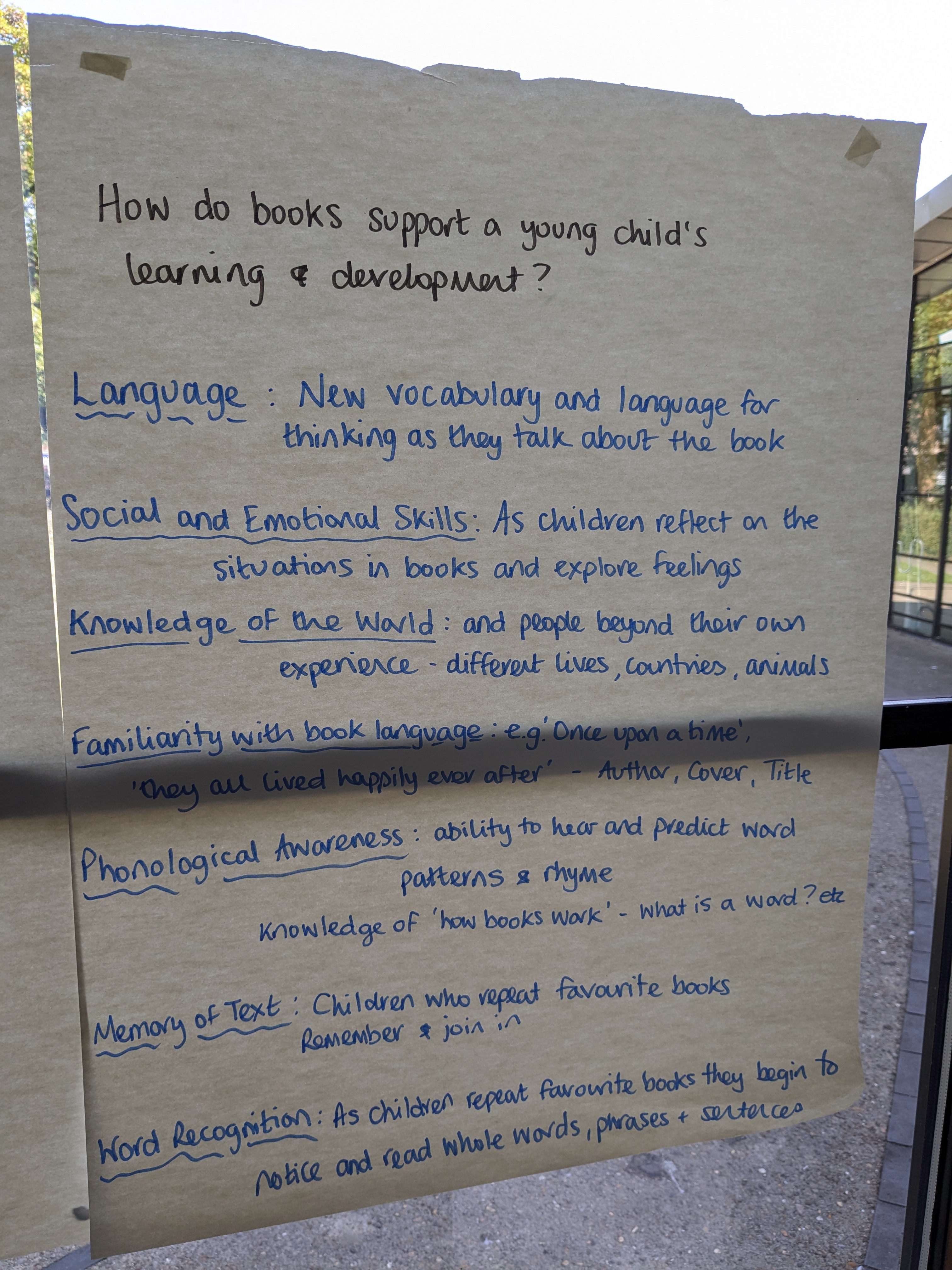
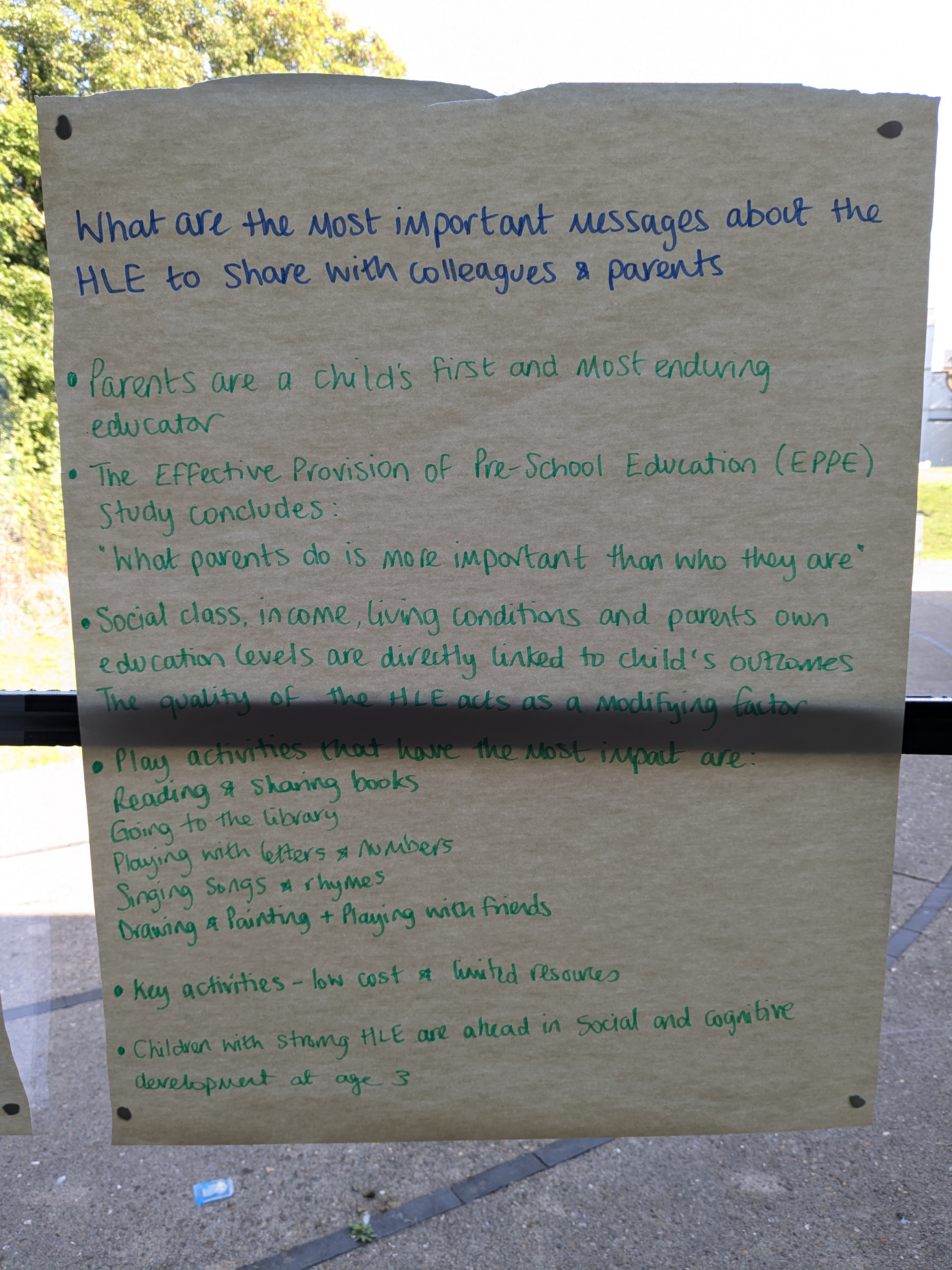
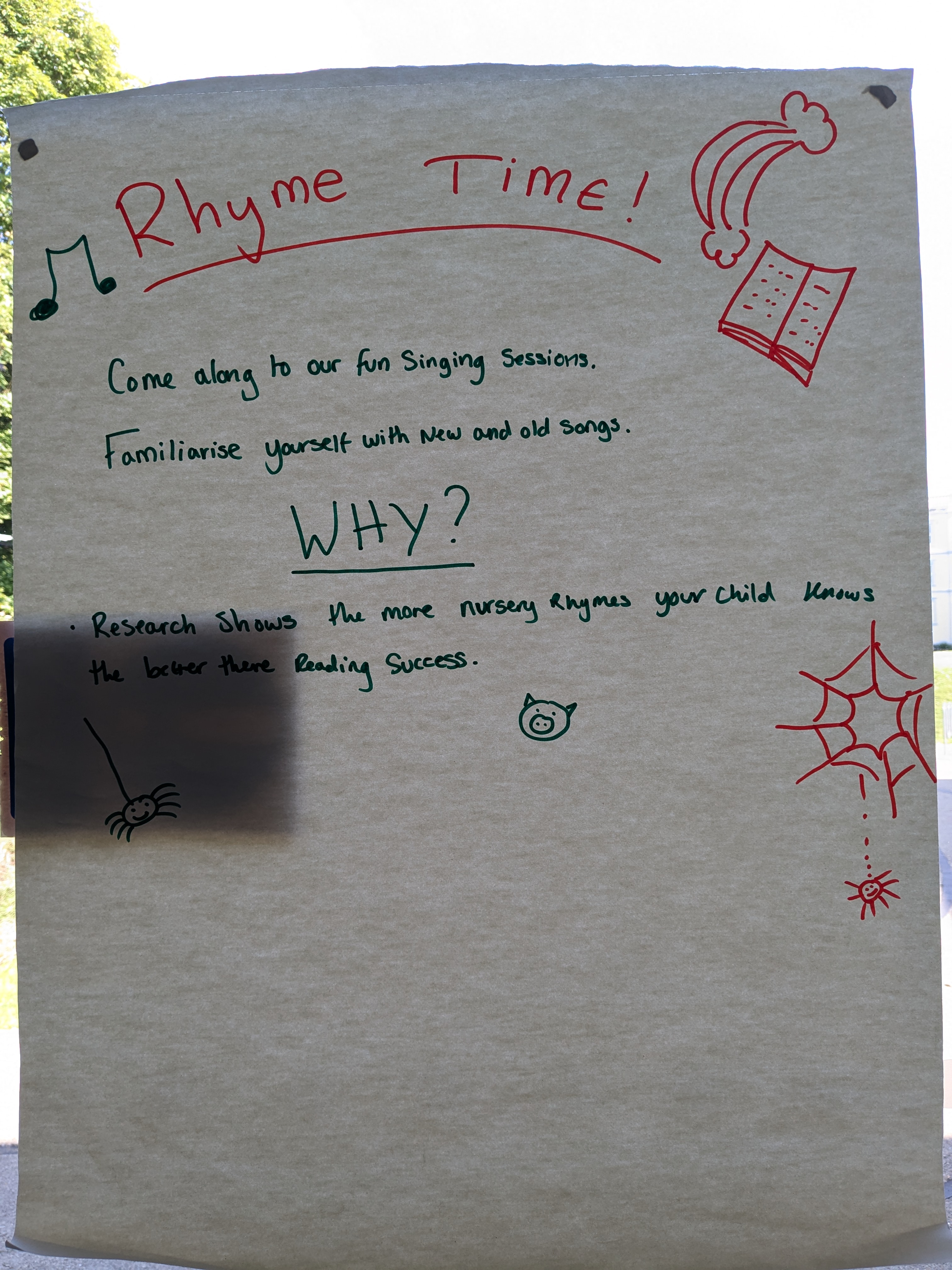
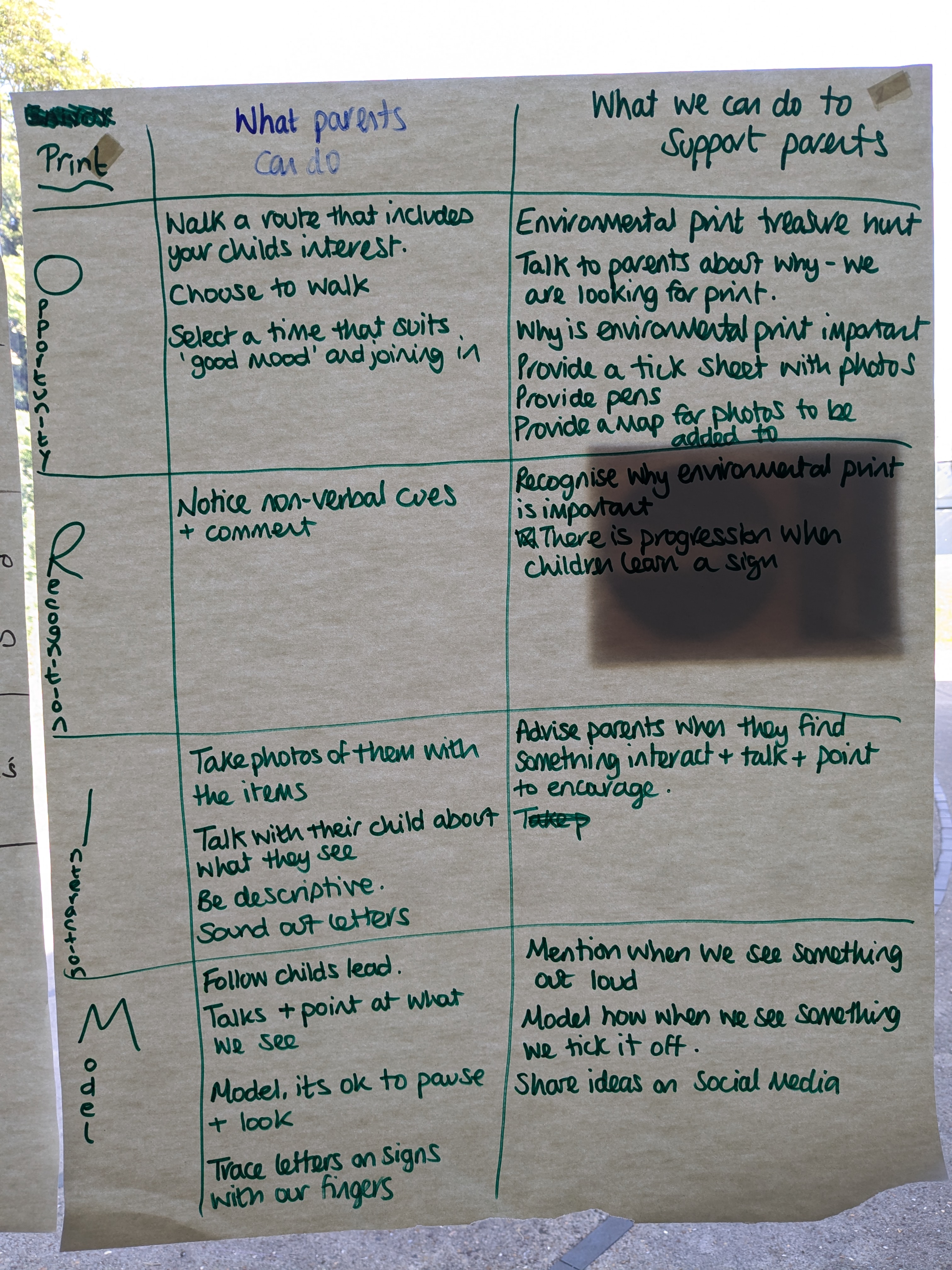
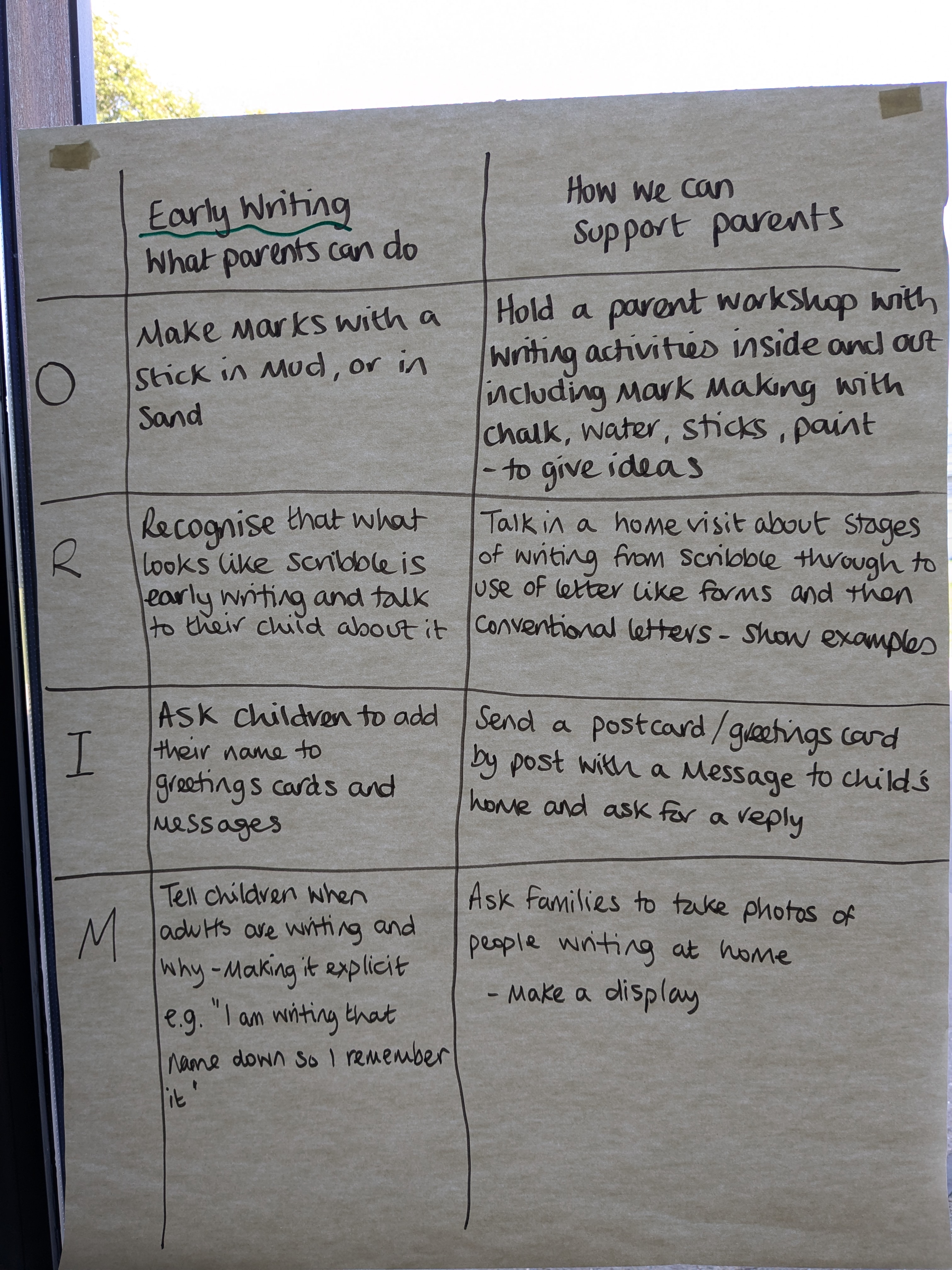
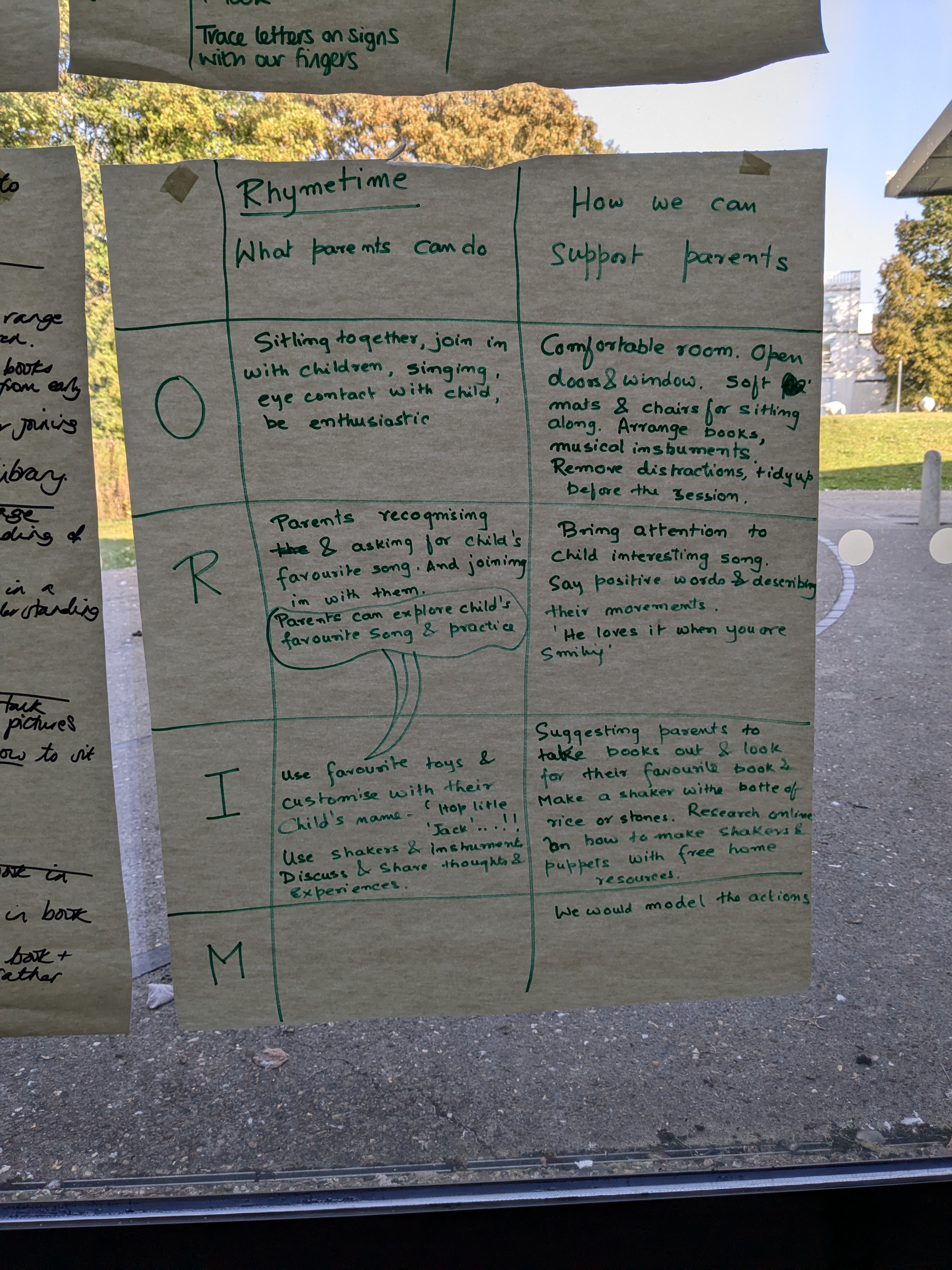
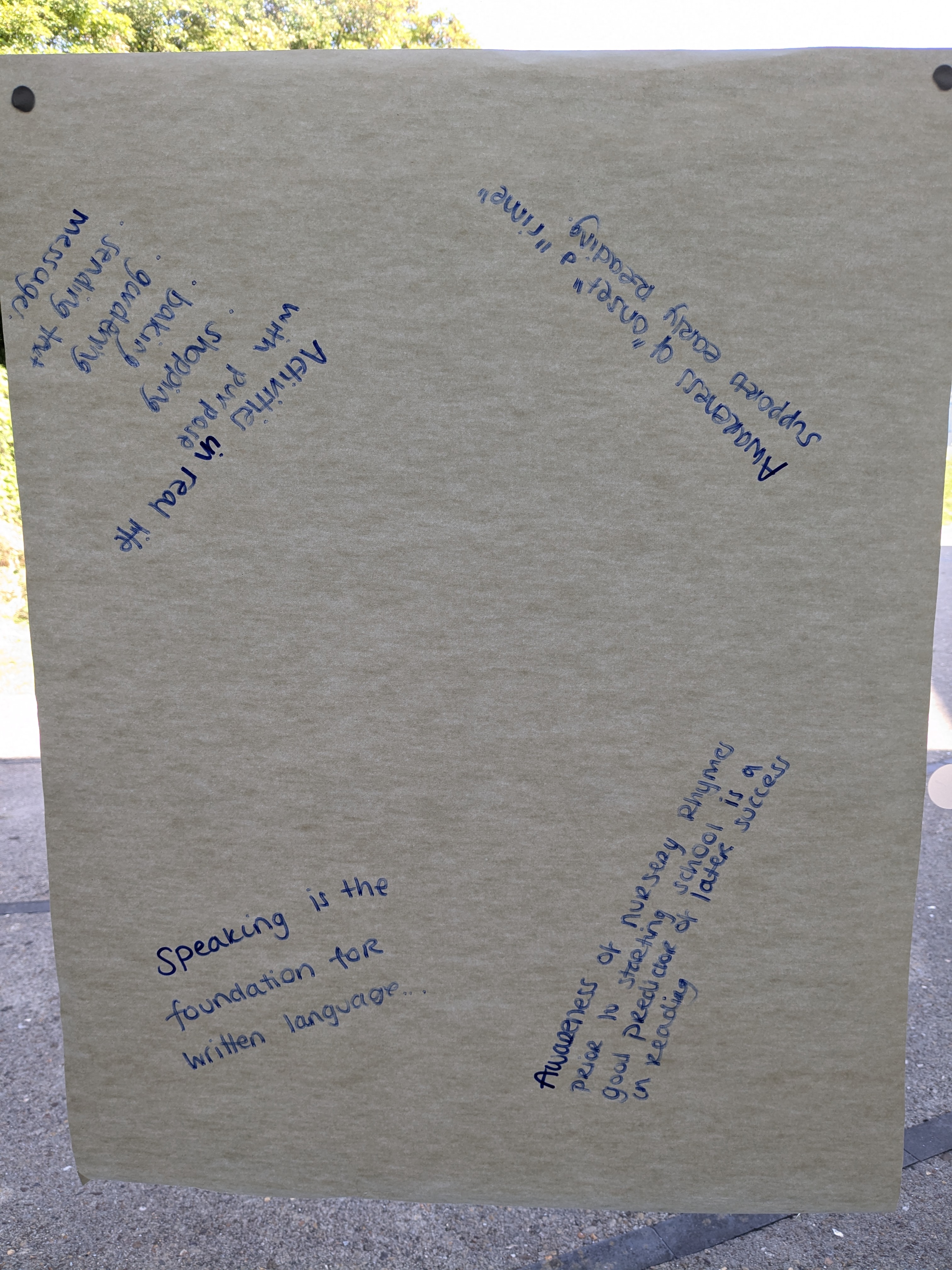
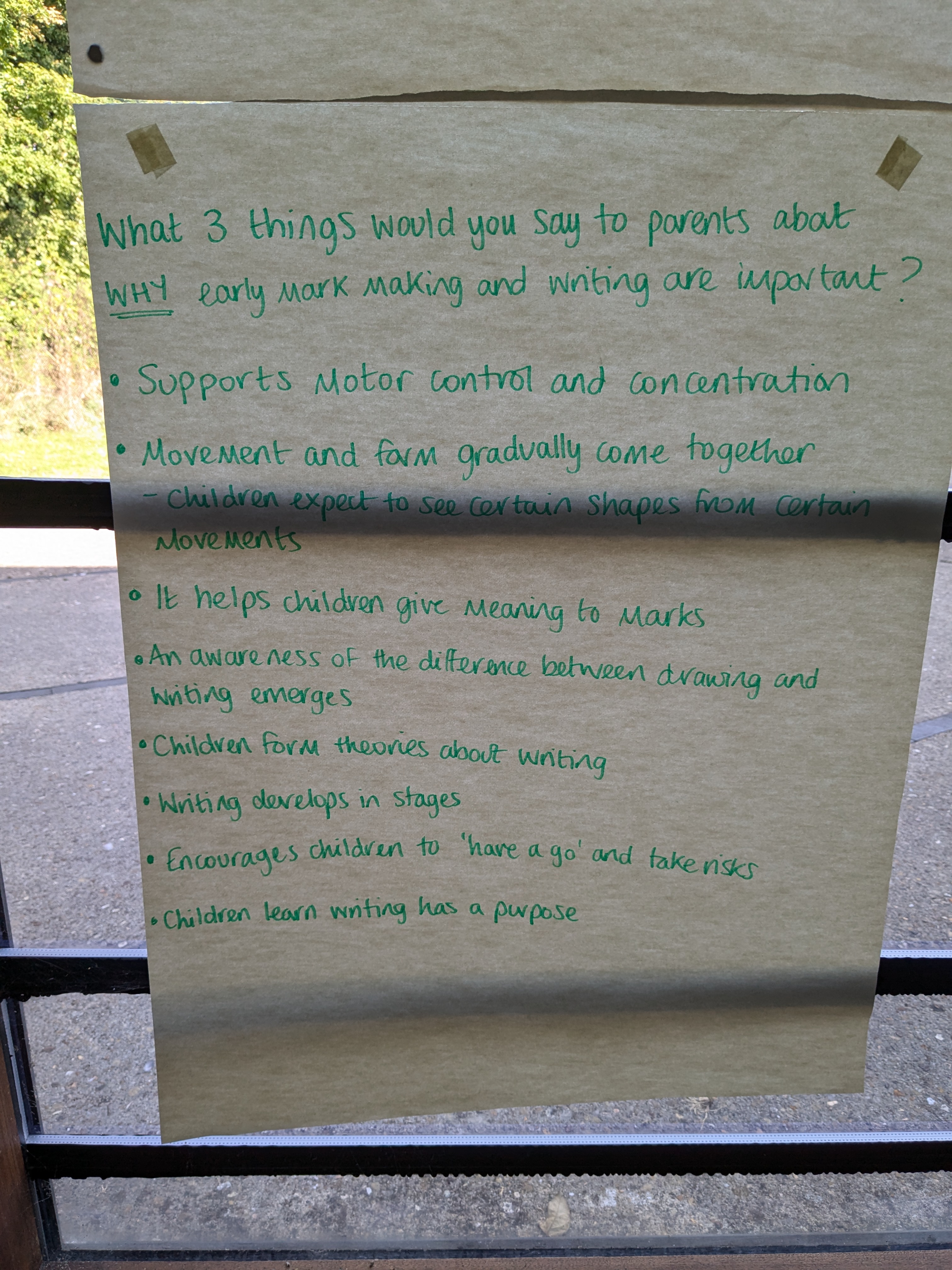
Opportunities, recognition, interaction, and modelling (ORIM) can be mapped against all four literacy strands, Environmental Print, Books, Early Writing, and Oral Language, to produce a grid. The grid can be used flexibly to help practitioners reflect on provision and practice that is linked to supporting parents to strengthen their home learning environment in these four literacy strands. Practitioners can reflect on what parents are already doing, and what practitioners can then do, to further strengthen this. The images below show great examples of this.
|
Environmental Print |
Books |
Oral Language |
Early Writing |
|
|
Opportunities |
||||
|
Recognition |
||||
|
Interaction |
||||
|
Model |
When planning with the ORIM framework, practitioners can look at a whole column/strand, or a whole row, one aspect of ORIM across all strands, or focus on certain cells.
Please note that to view the photographs below in full, right-click on the picture and select "Open image in a new tab."
Feedback from participants
Please watch in YouTube for more accessibility options. - opens in a new tab
Contact
